
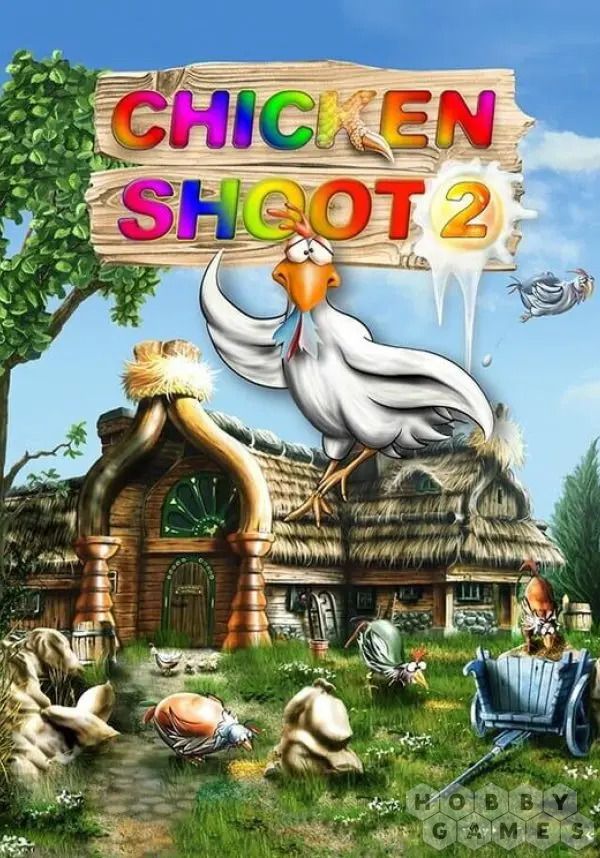
Chicken Shoot Game gives a new twist to the traditional shooting gallery https://chickenshoot.it.com/. It blends simple play with well-crafted systems to engage players in the UK. Let’s explore the core gameplay, how it rewards you, and the tech that makes it tick. Seeing how these pieces fit together shows why the game sticks with people. It strikes a sweet spot between skill and luck, which attracts British casual gamers in search of fun that feels worthwhile.
Primary Game Loop and Interactive Design
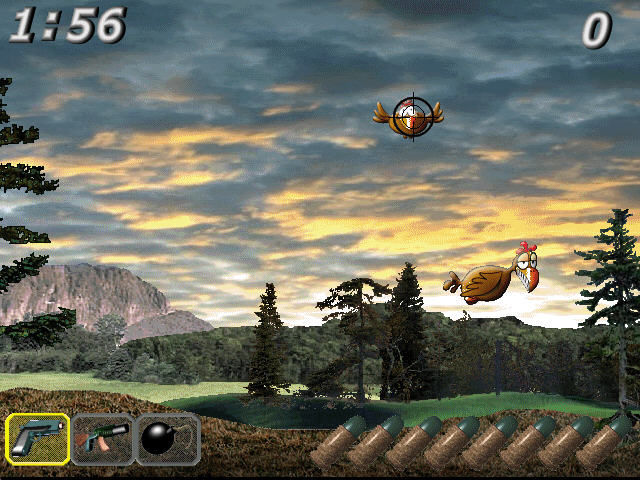
The core loop is natural: aim, shoot, collect. Whimsical chicken targets emerge and scamper across the screen. The controls keep things basic, typically just a tap or a click. This straightforwardness means everyone can grasp it and start immediately. Shooting a target provides satisfaction because the game responds with a animated squawk, a funny dance, and points popping on screen. That immediate feedback makes the simple act of shooting immensely enjoyable and effortless to continue.
Target Behaviour and Environmental Dynamics
The chickens don’t remain idle. They dart out at various speeds, move erratically in odd patterns, and are give varying points. Sometimes the background shifts, or a roaming cow might block your shot. This ongoing shift keeps the game fresh. It tests your reflexes and maintains uncertainty. These dynamics also govern the session’s pace, building to moments of intense action that demand your undivided attention. What seems like a basic shooter becomes a engaging test of your focus.
Progress and Rewards
There’s additional activities beyond shooting. You collect coins or points from your hits, which you can use. This might provide a new blunderbuss, a funny hat for your cursor, or a whole new farmyard to play in. This layer appeals to our love of gathering and upgrading. For a player in the UK, it offers a compelling reason to come back. Unlocking that following quirky item signals your progress and provides you with a new way to experience the well-known action.
Mathematical Frameworks and Reward Timetables
The game’s calculations is essential to keeping you involved. Its reward timetable is carefully tuned. Algorithms dictate when a worthwhile objective emerges or when a bonus stage activates. The system functions on variable reinforcement. You realize a reward is approaching, but you cannot anticipate precisely when. This is a compelling driver for repeated play. The design guarantees expertise plays a role, but the game also seems generous enough that you hardly ever leave empty-handed.
Chance influences each second. The chance of a golden chicken emerging or a x2 multiplier triggering is governed by biased randomness. The game is adjusted to offer you a steady trickle of minor victories, punctuated by a larger payout occasionally. If you’re the sort who enjoys to analyse, this adds a concealed dimension. You may perceive the odds and subconsciously hold back for a more favorable opportunity, adding a sprinkle of strategy to the direct shooting.
Sound and Visual Cues and Mental Involvement
The sound effects and visuals do more than embellish. They are essential parts of the machine that makes the game engaging. A good hit initiates a chain reaction: a crisp *pop*, numbers bursting out, and a chicken performing a funny flip. This combined response provides a small, dependable dose of satisfaction. The cartoon art style is light and welcoming, a common look that puts players at ease. It frames the whole activity as a bit of entertainment, not a grave test of determination.
The Function of Thematic Design and Humor
The poultry theme and slapstick jokes are a intentional selection. They render the game noteworthy and easy to discuss. The figures are goofy, not frightening, which matches the relaxed tone. This theme permeates everything, from the farm menus to the fowl sound effects. It creates a unified, playful world. That distinct identity aids the game get noticed. Players associate it with having a laugh, a hallmark of British leisure.
Platform Structure and Speed Optimizations
A seamless experience needs reliable systems. The game must compute impacts between your shot and a quick chicken in real time. This requires optimized code and visual processing. UK players use a range of the latest phones to older tablets, so optimisation is vital. The design must maintain a steady frame rate with almost no input lag. Any delay between your tap and the result shatters the illusion and frustrates the user, breaking the core loop.
Under the hood, the game usually contains tracking and analytics. These backend systems discreetly watch play patterns, session times, and how players progress. Developers use this data to modify the game’s economy, identify where people lose interest, and create new content. This evidence-based, cyclical development lets the game adjust to how its community actually plays. It’s a typical approach for remaining competitive in the competitive UK mobile market.
Monetization and Monetary Systems
Woven into the mechanics is a virtual economy that handles monetisation. You can obtain standard coins by playing, or purchase premium gems with real money. The economy is built to feel fair. Spending generally gets you cosmetic items or temporary conveniences, not outright power. You might purchase a pirate skin for your cannon or a one-hour points booster. The balance is careful. Players in the UK who never spend must still sense they can progress and have fun, while those who do spend should see clear value.
Costs and offers are localised for the UK, shown in British Pounds and set with local spending in mind. A common tactic is the limited-time event. These special challenges have unique rules and rewards. They produce a sense of urgency and give players a fresh goal. Events reuse the core mechanics in a new context, tempting both daily players and those who haven’t logged in for a while to jump back in. This helps maintain the active player count healthy over months and years.
Common Questions
What are the main controls in Chicken Shoot Game?
The controls are simple. You just drag to aim and then tap or click to fire. The game uses basic touch or mouse controls, so you don’t need to learn a complex scheme. This allows anyone in the UK, of any age, to begin playing instantly.
How does the scoring system function?
You score points by hitting targets. Different chickens are worth different amounts. Special targets, such as golden chickens, award bonus points or multipliers. Landing consecutive hits or completing timed tasks can also lead to huge scores, so accuracy and speed are both rewarded.
Are there optional purchases, and do you need them?
The game does offer optional purchases, usually for premium currency or cosmetic upgrades. You don’t need them to enjoy or advance through the game. Skill and consistent play allow UK players to earn rewards and unlock nearly everything without spending any money.
Is an internet connection required to play Chicken Shoot Game?
It varies by version. Usually, the main arcade mode works offline. However, features such as live events, leaderboard updates, or downloading new content require a stable internet connection to function correctly and sync your data.
What types of special events or modes can you find?
The developers frequently host limited-time events with unique rules. You could encounter a midnight shooting spree or a boss chicken showdown. These modes usually provide exclusive rewards and separate leaderboards, offering the UK community fresh ways to play and new objectives to pursue.
How is the game balanced for different skill levels?
The system may use a subtle adaptive difficulty system. How fast targets move and how many show up may shift depending on your success. There are also power-ups and different weapons to try. This provides newer players with useful tools and keeps the challenge fair and enjoyable for all.
Can you use Chicken Shoot Game across different devices?
Yes, usually. If you sign in with an account such as Apple Game Center or Google Play, your progress will sync across devices. This lets UK players switch from a phone to a tablet without losing their place, as long as the game versions are compatible.